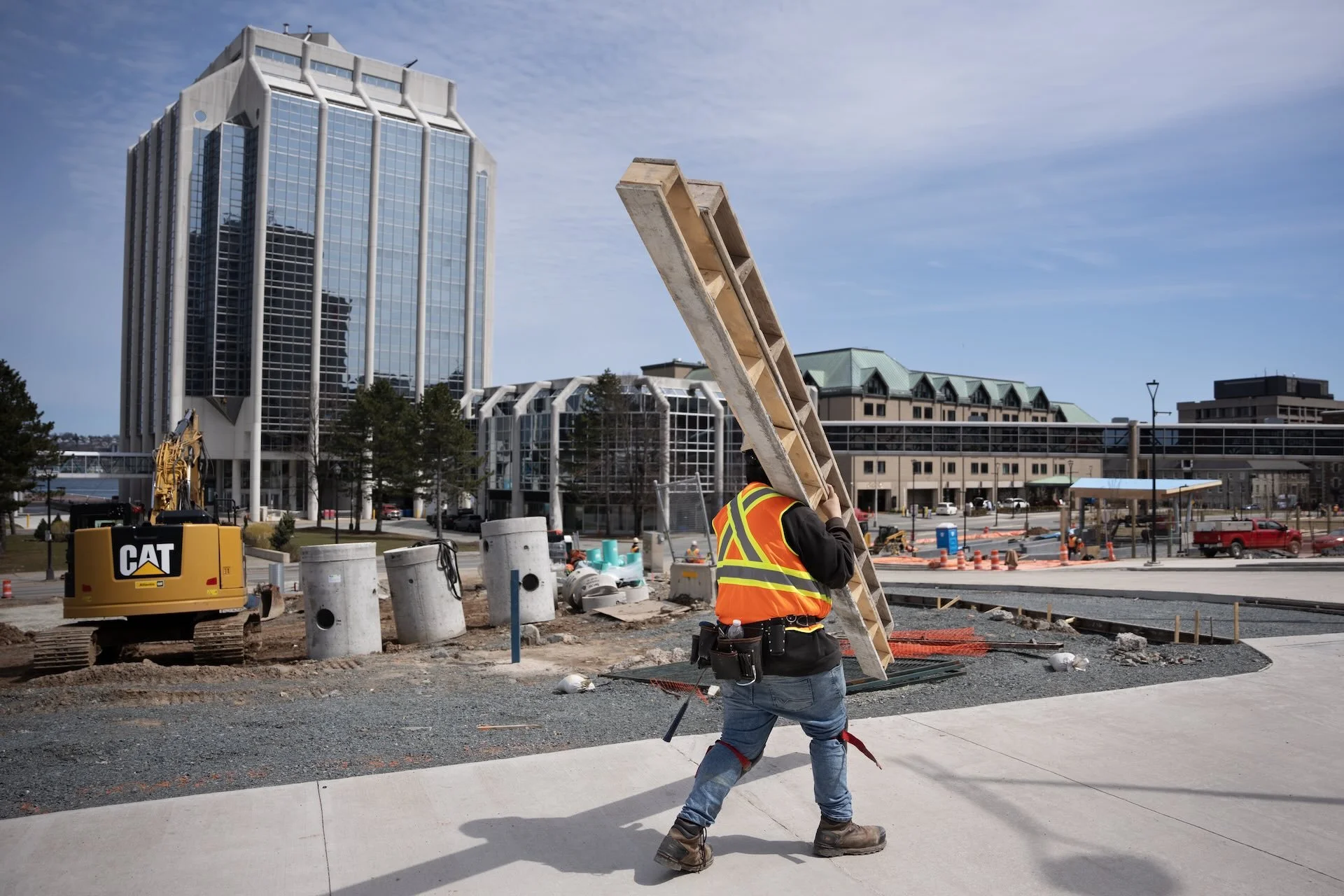
Active construction and urban development project on Cogswell in downtown Halifax, Nova Scotia.
If you live anywhere in the Halifax Regional Municipality, you already know the story: cranes on the horizon, excavators breaking ground in South End, or new infill developments popping up across Dartmouth and Bedford. Halifax is growing fast. However, when a massive construction project starts right next door or directly on your street, panic often sets in right as you prepare to put up the "For Sale" sign.
Noise, dust, blocked street parking, and unsightly plywood fencing feel like immediate dealbreakers for buyers.
The good news? A nearby building site does not have to ruin your sale. With the right strategy, local market context, and deliberate presentation, you can maintain your home’s value and secure a quick closing.
Here is your playbook for successfully selling a home in Halifax during nearby construction.
1. Frame the Construction as an Upgrade to the Neighbourhood
Buyers do not just look at your property; they look at where the block is heading. Heavy construction in established Halifax neighbourhoods like the North End, Armdale, or Westmount often signals substantial long-term investment.
Highlight future amenities: If the build next door is a multi-family project or mixed-use development, it may bring ground-floor coffee shops, retail, or upgraded transit infrastructure steps from your front door.
Emphasize community momentum: If your neighbor is replacing a neglected home with a high-end custom build, that project will ultimately raise the street's overall property baseline once completed.
Get the facts: Contact the builder or review HRM planning permits so you can speak directly to buyer inquiries. Knowing whether the project is a 3-month renovation or a 2-year build allows you to set realistic expectations instead of letting buyers fear the worst.
2. Master the Timing of Showings and Open Houses
Control the environment during viewing hours. You cannot turn off heavy machinery, but you can schedule around it.
Leverage construction downtime: Work crews across Nova Scotia generally shut down by late afternoon, and Sundays are usually noise-free. Plan your open houses for Sunday afternoons and book private showings after 5:00 PM on weekdays.
Capitalize on winter listing windows: If structural framing happens in autumn, winter snow and paused exterior work can soften the visual impact of an active build site while buyer demand in Halifax remains active.
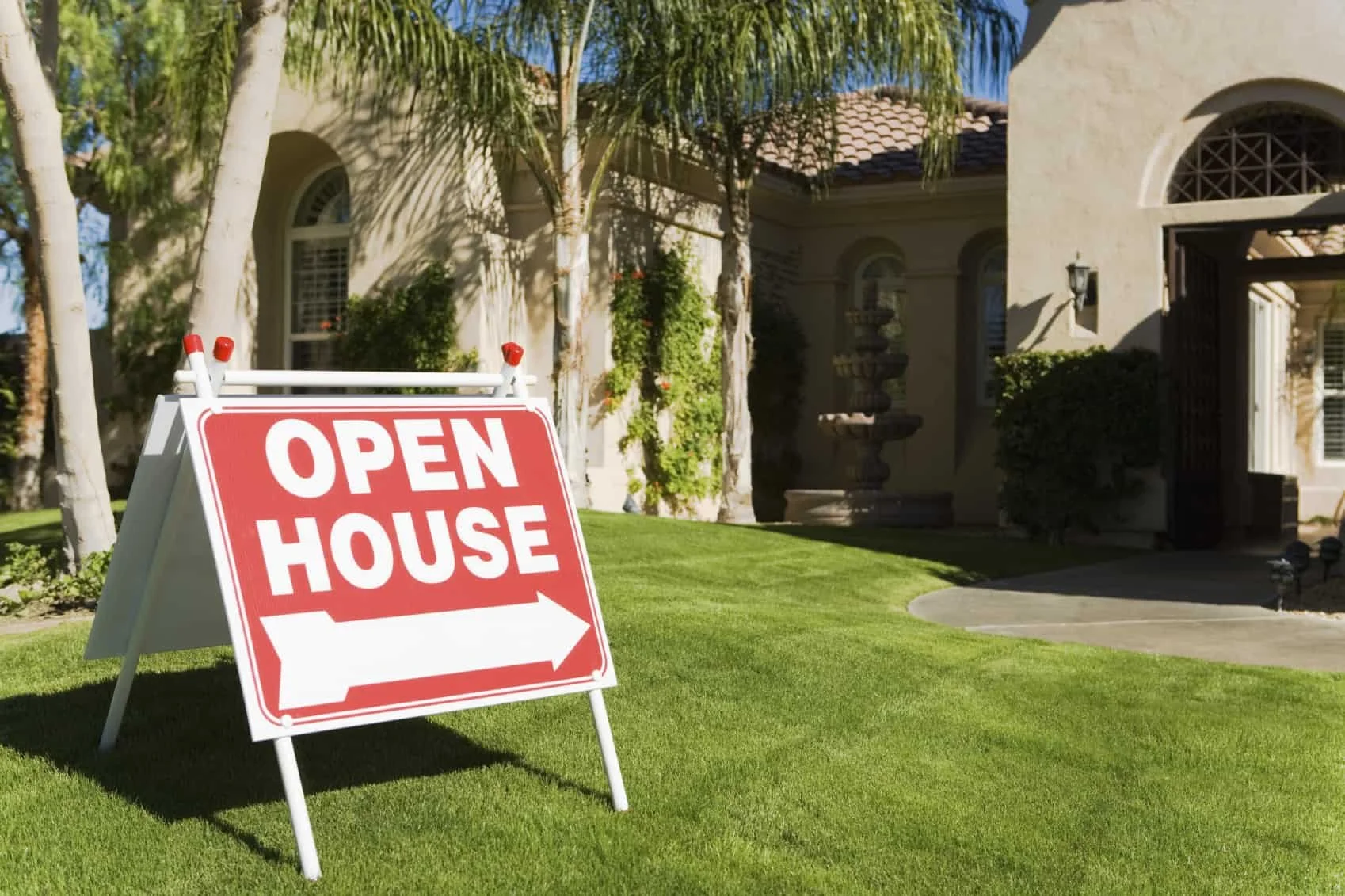
A bright red open house sign displayed in the front yard of a residential home to attract home buyers.
3. Maximize Soundproofing and Interior Sanctuary Atmosphere
When prospective buyers step inside your front door, the outside noise should vanish.
Upgrade seals and window treatments: Ensure window weatherstripping is tight. Heavy acoustic curtains or triple-pane glass (if you are already planning updates) keep street noise out.
Use low-level ambient sound: Play soft background music during showings to mask distant equipment hums.
Focus on air filtration: Dust travels quickly around site excavations. Keep a high-efficiency air purifier running in the main living space and ensure air filters are clean so your home smells clean and fresh.
4. Tackle Visual Intrusion with Strategic Staging
If a direct line of sight leads straight to a mud-filled trench or scaffolding, redirect the buyer's eye toward your home’s best assets.
Enhance indoor greenery: Place large potted plants or tall indoor trees near windows facing the construction. This creates a natural visual barrier.
Focus on backyard privacy: Set up patio umbrellas, outdoor privacy screens, or fast-growing cedars along property lines to block viewlines of neighboring work zones.
Keep windows immaculate: Clean glass lets natural light flood the home, keeping focus on your interior finishes rather than what is happening across the lot line.
5. Price Smart with Data, Not Panic
The biggest mistake Halifax sellers make is slashing their price preemptively out of fear.
Over-discounting signals desperation to buyers, who will then wonder if deeper structural issues exist. Work with a local real estate agent who understands exact neighborhood comparables. Price your home fairly based on completed sales on your block, and save room for light negotiation if buyer feedback directly cites the temporary noise as a factor.
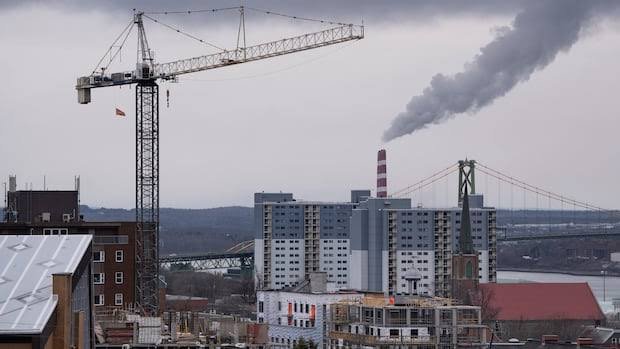
A tall construction crane operating near residential buildings against the Halifax cityscape skyline.
Frequently Asked Questions
Will construction next door lower my home’s property value in Halifax?
Not necessarily. While nearby construction can temporarily limit your pool of noise-sensitive buyers, it rarely causes permanent drops in market value in high-demand areas across Halifax, Dartmouth, or Bedford. Once completed, new builds often increase adjacent land values.
Should I wait for the construction to finish before listing my house?
If the project is within 2 to 3 months of completion, waiting can give you a cleaner presentation. However, if the project is in early foundation phases and will last over a year, waiting rarely pays off against changing interest rates or market shifts. Strategic staging and timed showings usually make more sense than holding off.
Do sellers in Nova Scotia have to disclose nearby construction to buyers?
Yes. Sellers and real estate licensees are obligated to disclose known material facts about a property and immediate surroundings that could affect a buyer's decision. Providing clear details about permit scopes or project timelines builds buyer trust early.
How do I handle heavy construction dust on my home’s exterior before photos?
Schedule a professional pressure washing of your home’s exterior, driveway, and windows 24 to 48 hours before your real estate photographer arrives. Plan all photography sessions for weekends or early mornings before site vehicles start moving earth for the day.
Ready to Sell Your Home in the Halifax Area?
Navigating a sale in an active neighborhood requires clear strategy, sharp timing, and strong local representation.
Whether your street is seeing new infill housing or major commercial development, our team knows how to market your home to highlight its maximum value. Contact us today for a complimentary home valuation and listing strategy tailored to your neighborhood.
