
Highlighting the SOBP real estate process for Halifax move-up buyers looking to purchase a new home while selling their current property safely.
You have found the ideal home in Halifax, maybe a character home in the South End, an updated split-entry in Dartmouth, or a modern family layout in Bedford. But then the ultimate move-up buyer dilemma hits: How do you buy your next home when you haven't sold your current one yet?
It feels like an impossible balancing act. If you buy first without selling, you risk carrying two mortgages, double property taxes, and double electric bills. But if you sell your current Halifax home first, you face a ticking clock with 60 days to find a replacement property, risking getting priced out or forced into a temporary rental.
Fortunately, Nova Scotia’s real estate system has a legal mechanism built specifically for this situation: the Subject to Sale of Buyer’s Property (SOBP) clause.
What is the SOBP Clause (Form 430A)?
When submitting an offer using the Nova Scotia Real Estate Commission (NSREC) standard Agreement of Purchase and Sale (Form 400), your agent attaches Form 430A: Sale of Buyer's Property Schedule.
In short, Form 430A creates a conditional contract. You are agreeing to buy the seller's house for an agreed price, but your legal obligation to close the deal depends on securing a firm, unconditional sale on your existing property by a set deadline.
How Form 430A Protects Halifax Buyers:
Deposit Protection: If your current home does not sell by the contract deadline, the agreement becomes null and void, and your deposit is returned in full without penalty.
Mortgage Alignment: Canadian lenders generally require you to either qualify for both mortgage payments simultaneously or show a firm agreement of sale on your first home before releasing funds for the second. Form 430A satisfies lender requirements by preventing you from being legally forced to close on two properties.
The Seller’s Safety Net: The Escape Clause (Forms 430B & 430C)
Sellers in Halifax rarely want to tie up their listing indefinitely while waiting for a buyer’s house to sell. To make SOBP offers fair, NSREC includes an Escape Clause (often called a "Kick-Out Clause").
When a seller accepts an SOBP offer, their home remains active on the MLS® system for showings. If a second buyer submits a clean offer that the seller wants to accept, the seller serves Form 430B: Notice to Buyer.
This starts a strict clock, typically 6 to 48 hours, for the original buyer to choose one of two options:
Waive the Condition (Form 430C): Submit Form 430C to remove the SOBP clause, firm up the deal, and proceed with the purchase regardless of whether your current home has sold. (Note: To do this safely, you must provide written confirmation from your lender showing you can finance the home without selling your existing property).
Collapse the Agreement: If you cannot carry both homes or obtain bridge financing, you choose not to waive. The deal terminates, your deposit is returned, and the seller accepts the backup offer.
The 3 Stages of an SOBP Offer in the Halifax Market
How strong an SOBP offer appears to a Halifax seller depends entirely on where your current home sits in the sales pipeline:
Stage 1: Unlisted (Weakest): You submit an SOBP offer before your current property is even listed on the MLS®. In competitive Halifax neighborhoods, sellers rarely accept Stage 1 offers because there are too many unknowns.
Stage 2: Actively Listed (Moderate): Your home is actively listed on the MLS®, but you don't have an accepted offer yet. Halifax sellers may accept this, but expect tight timelines and a strict 24-to-48-hour escape clause.
Stage 3: Conditionally Sold (Strongest): You already have an accepted offer on your current home, and you are simply waiting for standard conditions like home inspection or financing to clear. This is the ideal position for an SOBP offer because the seller sees a clear path to closing.
What If an SOBP Isn't an Option? (Bridge Financing)
In highly competitive Halifax pockets like West End Halifax, Lower Sackville, or Bedford, sellers might refuse conditional SOBP offers altogether.
If you find yourself in this situation, discuss Bridge Financing with your mortgage broker or lender. If you have a firm, unconditional sale on your current home, but the closing date takes place weeks after the closing date of the home you are buying, major Canadian banks can grant a bridge loan. This temporarily unlocks equity from your current property to use as down payment money for your new home, letting you close on the purchase before the sale completes.
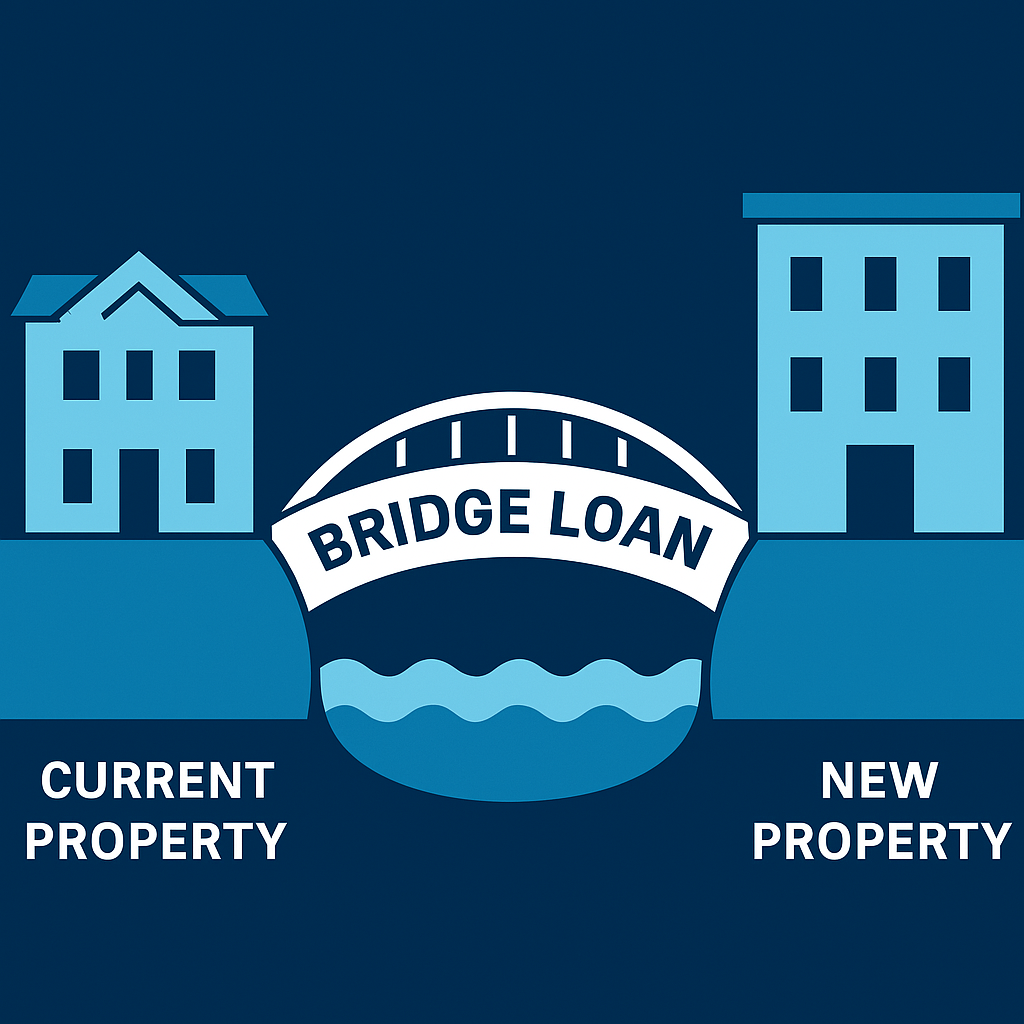
Explaining how bridge financing works in Nova Scotia real estate to help home buyers transition equity between properties when buying and selling simultaneously.
Frequently Asked Questions (FAQ)
What happens if my house doesn't sell before the SOBP deadline in Nova Scotia?
If your property does not sell by the date specified in Form 430A, the contract naturally expires and becomes null and void. Your deposit is refunded to you in full, without legal penalty.
Can a Halifax seller accept another offer while under an SOBP agreement?
Yes. Under Nova Scotia real estate rules, the property remains active on the market. If the seller receives a backup offer they want to accept, they issue Form 430B, giving you a set amount of hours to either remove your SOBP condition or let the deal collapse.
Do I need to be actively listed on the MLS® to submit an SOBP offer?
While not strictly required by law, many Nova Scotia real estate agents will advise sellers to reject SOBP offers if the buyer's home isn't already actively listed for sale on the MLS® system.
What is the difference between Form 430A, Form 430B, and Form 430C?
Form 430A is the initial schedule attached to your offer that establishes the Subject to Sale condition. Form 430B is the notice the seller gives the buyer to trigger the escape clause countdown. Form 430C is the notice the buyer submits back to the seller to either waive the condition or terminate the contract.
Ready to Buy and Sell Simultaneously in Halifax?
Navigating a dual real estate transaction requires precise contract timing, local market expertise, and clear financial planning.
Whether you are looking to upgrade your space in Halifax, downsize in Dartmouth, or relocate within the Annapolis Valley, our team specializes in coordinating buy-and-sell timelines so you move into your next chapter with complete peace of mind.
Planning your next move in Nova Scotia?
Contact me today to schedule a 1-on-1 Move-Up Strategy Session! I'll analyze your current home's equity, review local market conditions, and map out the safest path to buy your dream home without double mortgage risk.
