Low-angle architectural photo of the official Bank of Canada signage in Ottawa, representing Canadian central bank interest rate decisions and monetary policy updates.
On October 28, the Bank of Canada (BoC) broke its long-standing holding pattern by hiking the benchmark overnight target rate by 25 basis points (0.25%) to 2.50%.
For homeowners, homebuyers, and small business owners across Halifax and the Halifax Regional Municipality (HRM), this policy rate change translates directly into higher borrowing costs. Commercial lending institutions—including major Canadian banks operating across Nova Scotia—immediately increased their Prime Lending Rate from 4.45% to 4.70%.
If you carry variable-rate debt or rely on revolving credit in Halifax, here is the comprehensive breakdown of every financial product that increased following the October 28th decision and how it impacts your wallet.
1. Variable-Rate Mortgages
The most direct impact of the October 28th rate increase is on variable-rate mortgage holders. Variable mortgages are tied directly to your lender’s prime rate.
Adjustable Rate Mortgages (ARM): If your monthly payment adjusts automatically with rate changes, your monthly mortgage payment increased immediately by approximately $15 per month for every $100,000 in mortgage balance. For a median-priced home in the Halifax region ($525,000 mortgage), this represents a roughly $78/month jump.
Variable Rate Mortgages with Fixed Payments (VRM): Your total monthly payment remains constant, but a smaller portion of your payment now goes toward your principal balance, extending your overall amortization timeline.
2. Home Equity Lines of Credit (HELOCs)
HELOCs in Nova Scotia are priced off the prime rate (typically Prime + 0.50% or Prime + 1.00%). Following the BoC decision, HELOC rates across Halifax climbed to an average of 5.20% to 5.70%. Because HELOCs generally require interest-only payments on drawn balances, anyone using a HELOC to fund home renovations in Dartmouth, Bedford, or Sackville will see higher monthly interest payments on their next bank statement.

Conceptual image representing Home Equity Lines of Credit (HELOCs) and property financing options for homeowners.
3. Variable Personal & Business Lines of Credit
Unsecured lines of credit carry variable interest rates tied to prime.
Personal Lines of Credit: Rates climbed by 0.25%, pushing average unsecured borrowing rates in HRM to between 7.70% and 10.50%, depending on individual credit profiles.
Business Lines of Credit: Halifax entrepreneurs relying on operating lines to manage inventory or payroll will face higher carrying costs heading into the winter season.
4. Variable-Rate Auto Loans
While fixed-rate vehicle financing remains unchanged, any Nova Scotian carrying a variable-rate auto loan will see an automatic rate adjustment of +0.25%. If you are shopping for a new or used vehicle at dealerships along Kempt Road or in the Dartmouth Crossing Auto Mall, variable auto financing packages now come with higher benchmark rates.
5. Prime-Linked Credit Cards & Margin Accounts
Although standard fixed credit cards retain their set interest rates (typically 19.99%–20.99%), variable-rate credit cards and investment margin accounts tracked to bank prime rates increased instantly by 25 basis points.
6. Guaranteed Investment Certificates (GIC Rates) & High-Interest Savings (HSA) — The Saver’s Silver Lining
A rate hike isn't bad news for everyone. Financial products offering returns to savers also experienced increases:
High-Interest Savings Accounts (HISAs): Select online banks and credit unions across Nova Scotia (such as CUA and East Coast Credit Union) responded by boosting promotional yield rates.
Short-Term GICs: 1-year and 2-year GIC yields bumped upward, making short-term cash holdings more attractive for conservative Halifax investors looking for guaranteed returns.
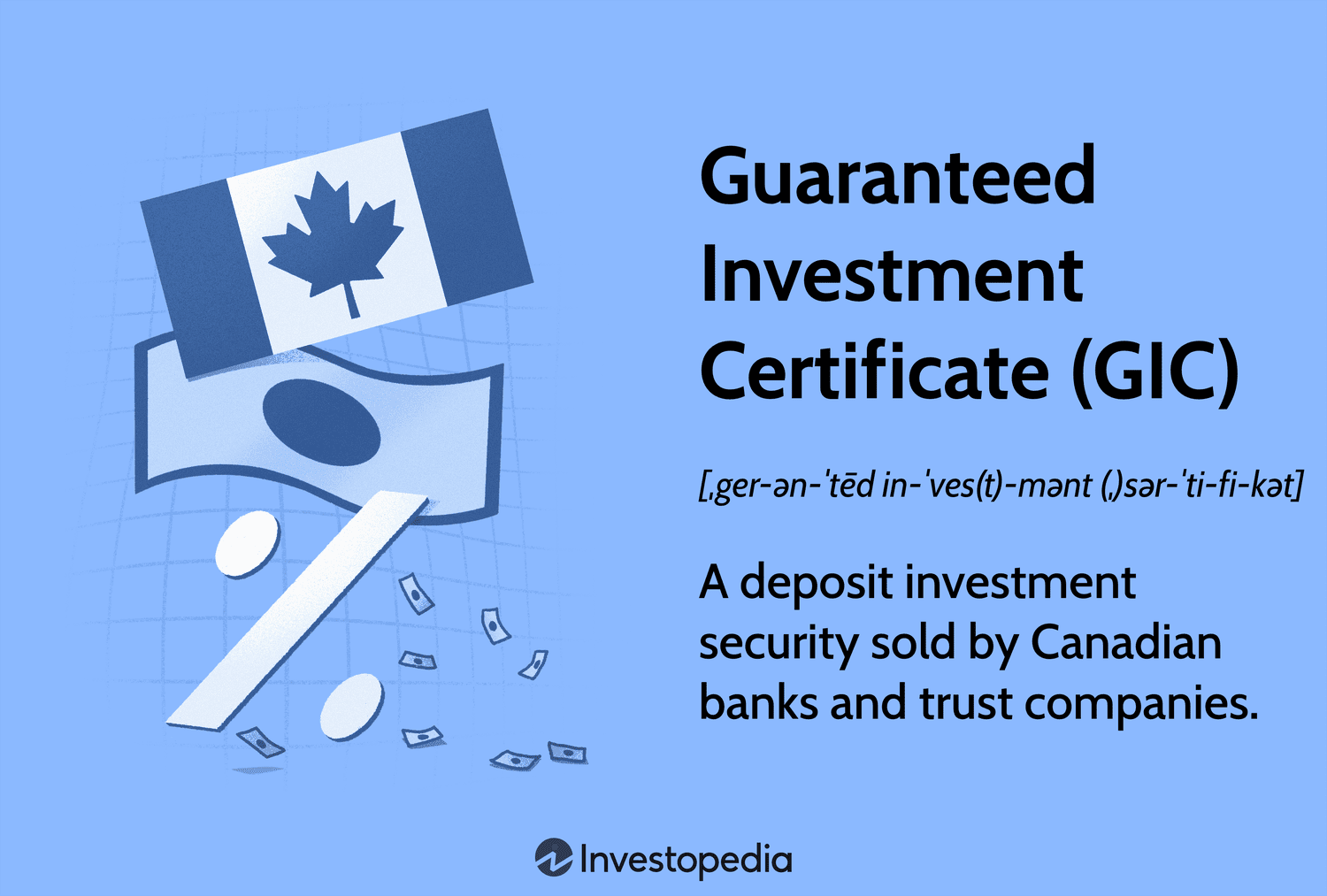
A Canadian guaranteed investment certificate (GIC) is a low-risk, fixed-term savings option provided by financial institutions in Canada, offering a guaranteed return over a specified period.
What Remained Unchanged?
It is equally important for HRM residents to know what did not automatically increase on October 28th:
Existing Fixed-Rate Mortgages: Your rate and payment remain locked until your renewal date.
Fixed Auto & Personal Loans: Your existing contract rate remains identical.
Standard Fixed Credit Cards: Interest rates remain anchored to their contractual APRs.
Frequently Asked Questions (FAQ)
How does the Bank of Canada Oct 28 rate hike affect Halifax home prices?
Higher prime rates slightly reduce buyers' maximum purchasing power and tighten mortgage stress-test qualifying hurdles across Nova Scotia. While inventory across the Halifax Regional Municipality remains historically tight, elevated borrowing costs typically moderate rapid home price appreciation by dampening demand in suburban hubs like Bedford, Sackville, and Eastern Passage.
How much more will my variable mortgage cost in Nova Scotia after the rate hike?
For every $100,000 borrowed on an adjustable-rate mortgage, a 0.25% increase adds approximately $15 per month. For an average Halifax mortgage of $400,000, your payment will increase by roughly $60 per month ($720 per year).
Should Halifax homeowners switch from a variable rate to a fixed rate now?
Locking in depends on your risk tolerance and term length. While conversion allows you to budget with certainty against future rate volatility, fixed mortgage rates are influenced by bond yields rather than prime rates. Speak with a local Halifax mortgage broker to compare your current variable penalty against current 3-year or 5-year fixed offers before locking in.
Will high-interest savings account (HISA) rates in Nova Scotia go up too?
Yes. Financial institutions typically adjust high-interest deposit and short-term GIC rates upward following a central bank hike, providing higher interest yields for savers keeping cash reserves in local credit unions or digital banks.
Take Control of Your Debt in Halifax Today
Navigating shifting interest rates requires a proactive financial plan. Whether your variable mortgage payment just jumped or you want to consolidate high-interest debt into a lower, fixed-rate product, local expertise makes all the difference.
Ready to protect your mortgage and monthly cash flow?
Contact Me Today to book a free mortgage audit or rate strategy session with a local mortgage broker. Let’s make sure your finances stay resilient in any interest rate environment.
