How to Sell Your Halifax Home During Atlantic Hurricane Season: The Ultimate Seller’s Preparedness Guide

Illustration of a storm-ready Halifax property featuring an automatic backup generator and reinforced window shutters, showcasing how to prepare a house for listing during Atlantic Canada's hurricane season.
Selling a home in the Halifax Regional Municipality (HRM) requires navigating dynamic local market conditions. When listing between June 1 and November 30, sellers also face the realities of Atlantic Canada's hurricane season.
Tropical storms and nor'easters bring high winds, heavy rain, coastal surges, and regional power outages. Buyers touring listings from downtown Halifax to Dartmouth, Bedford, and the South Shore want to know that a property can withstand the elements.
Storm-proofing your property preserves its structural integrity while giving buyers confidence during home inspections. The following steps help protect your listing’s market value throughout hurricane season.
1. Optimize Exterior Curb Appeal & Storm Safety
First impressions drive showings and buyer offers. During hurricane season, outdoor maintenance serves as both staging and risk mitigation.
Prune Overhanging Branches: Hire a certified arborist to clear dead limbs near rooflines, power connections, and driveways.
Clear Drainage Systems: Clean out gutters, downspouts, and perimeter drains to direct water away from the foundation during heavy downpours.
Secure Staging Items: Patio furniture, outdoor decor, and staging signage can turn into windborne debris. Anchor heavy items or move them into a garage or shed before storms hit.
2. Highlight High-Value Storm-Resistant Features
Buyers in Nova Scotia prioritize homes built for weather resilience. Highlighting storm-ready upgrades in your marketing materials adds tangible value, such as standby generators, architectural roof shingles, backwater valves & sump pumps.
Pro Tip: Keep receipts, permits, and inspection records for recent roof replacements, drainage work, or electrical upgrades on the kitchen counter during showings.
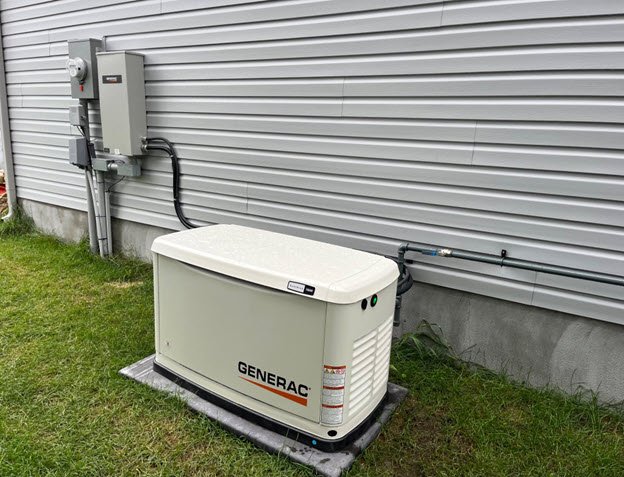
Installed Generac whole-house backup generator showing electrical transfer switch wiring, highlighted as a high-value property feature for home sellers during Halifax's hurricane season.
3. Prepare a "Storm Emergency Protocol"
When weather advisories hit HRM, clear communication keeps real estate transactions moving smoothly.
Monitor Local Warnings: Track alerts through Environment Canada and municipal services like hfxALERT.
Coordinate Showings with Your Agent: Reschedule open houses or private viewings if high winds or flooding pose safety risks.
Set Up Temporary Protection: Place heavy-duty floor mats at entryways to catch mud and water during wet weather showings.
Secure the Property: Check window locks, ensure basement sump pumps are operational, and disconnect non-essential exterior electronics before a storm passes through.
Frequently Asked Questions (Q&A)
How does hurricane season affect home sales in Halifax?
While spring and early autumn remain active periods in Halifax real estate, severe weather can temporarily delay showings, home inspections, and appraisal visits. Preparing your home in advance minimizes disruptions and maintains listing momentum.
Do I need to disclose past storm damage to Halifax buyers?
Yes. Nova Scotia property sellers must complete a Property Condition Statement (PCS). Legally, you must disclose known material defects, including past roof leaks, foundation water infiltration, or flood damage caused by severe weather.
What storm features do Halifax home buyers look for most?
Buyers frequently ask about roof age, basement water mitigation systems (like sump pumps with battery backups), backwater valves, and secondary power sources like generator hookups.
Should I pause my listing if a major hurricane warning is issued?
It is generally best to temporarily suspend open houses and showings until the storm passes and municipal services normalize. Work with your REALTOR® to update listing notes and communicate timeline adjustments with interested buyers.

News coverage photo of the infamous construction crane collapse in downtown Halifax caused by Hurricane Dorian, illustrating the extreme weather risks and potential structural damage during Atlantic storm season.
Ready to Sell Your Halifax Home with Confidence?
Navigating the local real estate market during storm season requires strategic pricing, effective property presentation, and local expertise.
Whether you own a character home in the South End, a ocean-side property in Dartmouth, or a modern family residence in Bedford, our team is here to help you maximize your home's value safely.
Contact Me Today for a complimentary, no-obligation home valuation and personalized pre-listing evaluation!
