7 Costly Mistakes First-Time Homebuyers Make in Halifax, NS (And How to Avoid Them)
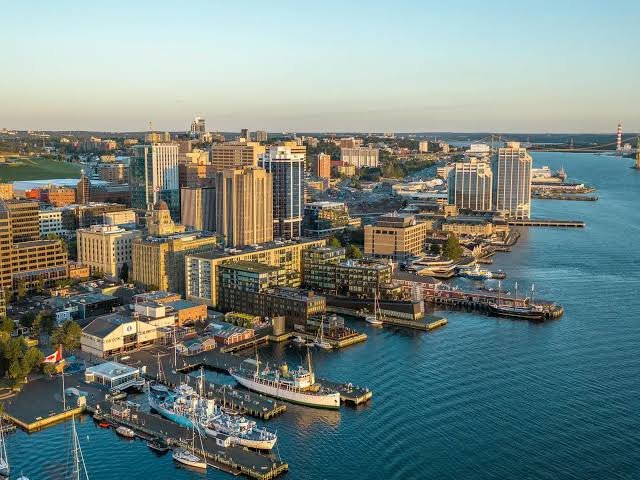
Panoramic aerial view of downtown Halifax and the waterfront harbor, one of Nova Scotia’s most sought-after real estate markets.
Buying your first home in the Halifax Regional Municipality (HRM) is an exciting step. Between navigating popular core neighborhoods like the North End or Downtown Dartmouth, to exploring growing suburban communities like Bedford, Sackville, or Spryfield, the Halifax market has its own distinct quirks.
While entering the local property market is a great long-term investment, regional nuances, from deed transfer taxes to condo condo fees, can catch first-time buyers off guard. Here are seven common mistakes local buyers make and how to navigate them smoothly.
1. Shopping for Homes Before Getting Pre-Approved
Browsing ViewPoint or Realtor.ca before securing a formal mortgage pre-approval is a common misstep. In Halifax's competitive pockets, local sellers generally expect a pre-approval letter alongside any serious offer.
The Trap: Falling in love with a $550,000 character home in the West End, only to find out your true lending cap is $425,000.
The Fix: Partner with a Nova Scotia mortgage broker or bank specialist to get fully pre-approved before attending open houses. This locks in your rate and clarifies your exact budget.
2. Forgetting the Halifax Deed Transfer Tax & Closing Costs
Many buyers save for their down payment but forget the significant upfront costs required at the closing table in Nova Scotia.
The Trap: Getting surprised by the Halifax Regional Municipality Deed Transfer Tax, which adds 1.5% of the total purchase price to your closing bill.
The Fix: Budget an additional 3% to 4% of the purchase price to cover closing costs. This includes the 1.5% deed transfer tax, legal fees, title insurance, property tax adjustments, and home inspection costs.
3. Ignoring Condo Reserve Fund Studies & Assessment Risks
Condos in areas like Downtown Halifax, Clayton Park, or Dartmouth can be an accessible entry point, but purchasing without reviewing the building's financial health carries serious risks.
The Trap: Buying a condo with low monthly fees, only to face a $15,000 special assessment a year later because the reserve fund couldn't cover a roof replacement.
The Fix: Always make your offer conditional on reviewing the Estoppel Certificate, Reserve Fund Study, and Form 10/Condo Minutes. Ensure the building has adequate reserves for major repairs.
4. Waiving Property Inspections in Competitive Bids
When multiple offers occur, buyers are often tempted to drop inspection clauses to make their offer stand out.
The Trap: Inheriting costly repairs hidden behind plaster walls, such as knob-and-tube wiring in older Halifax peninsula homes, aging oil tanks, or foundation cracks caused by coastal freeze-thaw cycles.
The Fix: Never skip a home inspection. If heating with oil, ensure the oil tank is NSTIR-compliant and under its expiry age, as insurance providers won't cover expired tanks.
5. Overlooking Heating Costs and Fuel Systems
Halifax homes use a variety of heating sources—including heat pumps, oil boilers, electric baseboards, and natural gas. Operating costs vary drastically between them.
The Trap: Buying a house with older oil or pure electric baseboard heating and getting hit with massive winter utility bills.
The Fix: Ask for the past 12 months of heating bills during the conditional period. Look for properties with installed ducted or mini-split heat pumps, or budget to take advantage of Efficiency Nova Scotia rebates post-purchase.
6. Financing Big-Ticket Items Before Closing Day
Your lender re-checks your credit profile right before releasing funds on your closing date. Any change in your debt level can disrupt your final approval.
The Trap: Financing new furniture or leasing a car during the closing period, which alters your debt-to-income ratio and jeopardizes your mortgage funding.
The Fix: Keep your finances completely static. Avoid new credit cards, major loans, or job changes until the lawyer registers the deed in your name.
7. Trying to Time the HRM Housing Market
Attempting to wait out interest rates or market fluctuations often leads to missed opportunities as local rents continue to rise.
The Trap: Waiting on the sidelines for prices to drop, only to get priced out by steady long-term appreciation across the HRM.
The Fix: Purchase based on your personal readiness and budget stability rather than market speculation. Focus on properties you can comfortably afford today.
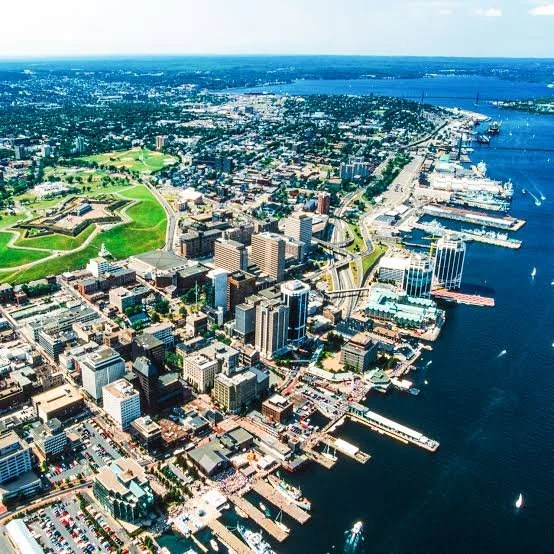
Panoramic aerial view of downtown Halifax and the waterfront harbor, one of Nova Scotia’s most sought-after real estate markets.
Frequently Asked Questions (Q&A)
How much is the Deed Transfer Tax in Halifax?
The Deed Transfer Tax in the Halifax Regional Municipality (HRM) is 1.5% of the property's purchase price, payable at the time of closing.
Are there provincial down payment assistance programs in Nova Scotia?
Yes. Qualifying first-time buyers in Nova Scotia can explore the Down Payment Assistance Program (DPAP), which provides interest-free loans to help cover down payment costs for eligible household incomes.
How much money should I set aside for a home inspection in Halifax?
A standard residential home inspection in Nova Scotia generally costs between $450 and $700, depending on the size and age of the property. Specialized inspections (such as well water testing or sewer scope inspections) may cost extra.
Ready to Start Your Halifax Homebuying Journey?
Navigating the local market requires clear information and strategic planning. Whether you're looking for a condo on the peninsula or a single-family home in the suburbs, having local support ensures a seamless process.
Book a 30-minute introductory call with our local team today to map out your next steps!
