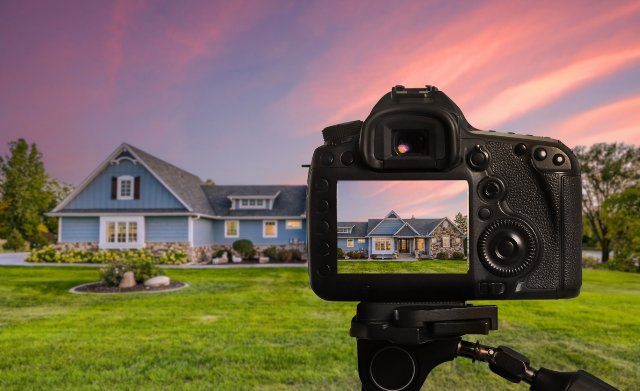
A DSLR camera mounted on a tripod frames a sunset exterior shot of a suburban home with a lush green lawn. It illustrates professional real estate photography capturing maximum curb appeal during warmer months.
If you are planning to list your property in the Halifax Regional Municipality (HRM) during the chilly depths of January or the slushy transition of early March, you might think real estate prep doesn't start until a few weeks before hitting the MLS®.
However, top-producing local agents know a powerful secret: the secret to winning the winter real estate market is planned in the summer and fall.
Capturing high-resolution exterior photography of your home while the sun is shining, lawns are lush, and fall foliage is peak will dramatically impact your online click-through rate, shorten your days on market, and ultimately help your property sell faster. Here is why a little advance planning pays massive dividends for Halifax home sellers.
The Halifax Winter Exterior Dilemma
Nova Scotia winters are notoriously unpredictable. Between grey slopy afternoons, sudden weather events, bare branches, and snow-covered yards, winter exteriors can obscure your home’s best assets.
When buyers browse listings online on ViewPoint, Realtor.ca, or Zillow, the primary exterior shot is their very first impression. A photo showcasing bare trees, gray overcast skies, or slush on the driveway can make a house feel cold, dark, and unwelcoming.
Worse yet, heavy snow covers features that add substantial dollar value to your listing:
Custom stone patios and composite decks
Professionally landscaped gardens and mature tree canopies
In-ground pools, hot tubs, and outdoor kitchens
Property line boundaries, retaining walls, and driveway paved conditions
By taking exterior real estate photography during summer or fall, you preserve those high-value outdoor features in full bloom for prospective buyers to evaluate.
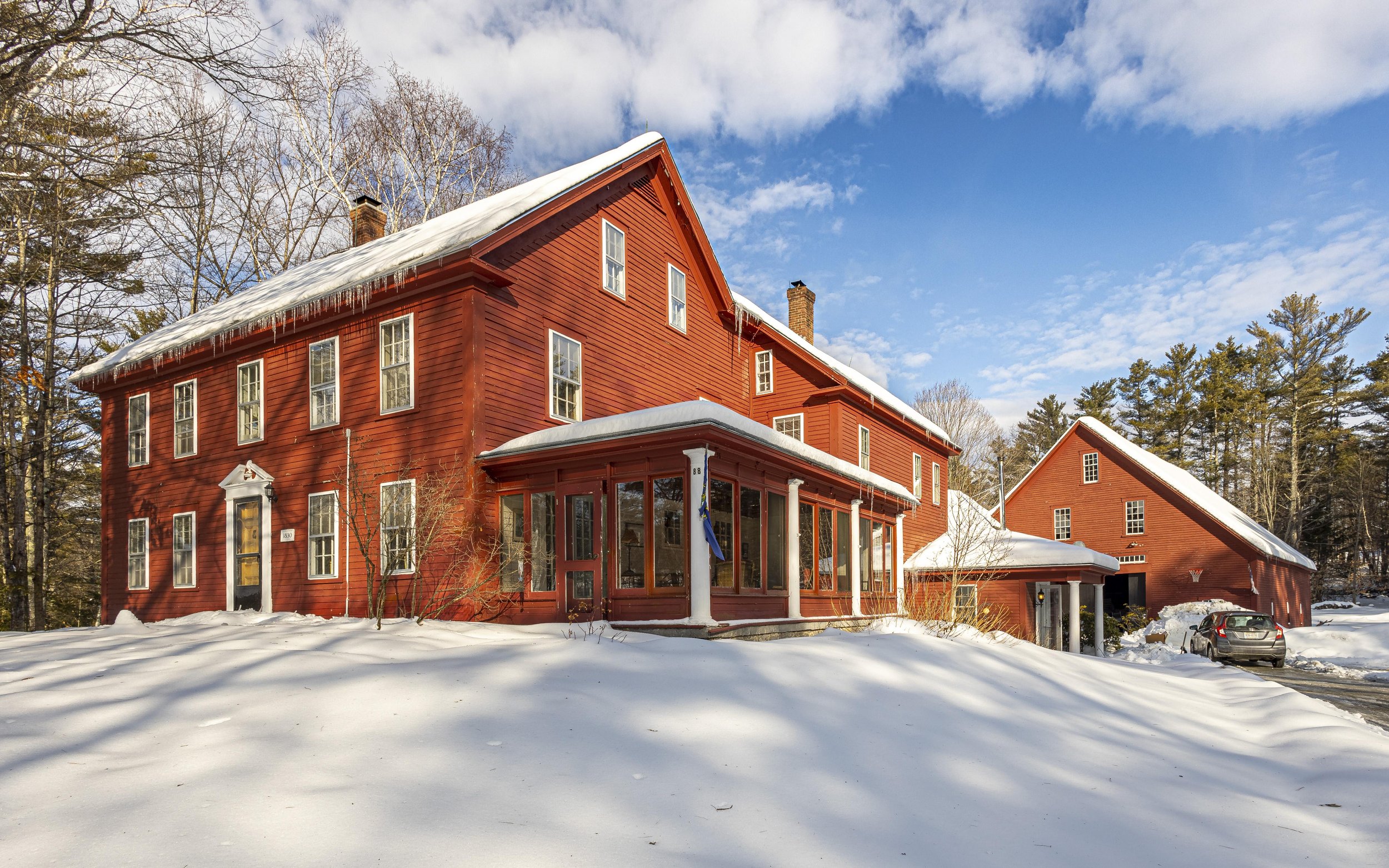
A large red country house covered in snow under a sunny blue sky. It demonstrates how winter photography hides landscaping details while accentuating bright, snowy curb appeal.
3 Reasons Summer & Fall Exterior Photos Help You Sell Faster
1. Showcases Year-Round Lifestyle and Full Property Value
Halifax buyers aren't just buying four walls and a roof, they are buying a lifestyle. A property in Bedford, Dartmouth, or the South End looks completely different wrapped in vibrant green lawns or glowing autumn leaves. Showing summer and fall photos alongside warm winter interior shots allows buyers to visualize how they will enjoy the home during warmer months.
2. Makes Your Listing Pop in Digital Feeds
Real estate search feeds are flooded with dark, overcast, or snow-capped exterior shots throughout December, January, and February. A featured listing photo bursting with blue skies, green grass, or rich autumn colors immediately stands out. This visual contrast generates significantly higher click-through rates, leading to more scheduled showings.
3. Solves the Halifax Weather Delay Risk
Timing a professional photography shoot in a Maritime winter can derail your listing schedule for weeks. Waiting for a clear day without snowfall or wind warnings often delays bringing a property to market. Having summer or fall exterior assets safely stored in your agent's media library means you can launch your listing immediately whenever market conditions are optimal.
Q&A: Key Questions for Halifax Sellers
Can I use summer exterior photos if I am listing my home in the middle of winter?
Yes, absolutely. In fact, it is considered a best-practice strategy in real estate marketing. Most agents will feature clear, sunny summer or fall shots as secondary photos in the listing gallery to showcase landscaping, decks, or water views that snow currently conceals.
Should the main hero photo on the MLS® show winter or summer?
The ideal approach is a hybrid gallery strategy. The main lead photo should often reflect the current season (or a crisp, bright winter day) so buyers aren't confused during a physical drive-by. However, summer or fall exterior photos should be placed prominently in the top 5 to 10 photos of the listing so buyers instantly see the property's full potential.
What outdoor features are hardest to market during a Nova Scotia winter?
Decks, outdoor entertaining areas, inground pools, retaining walls, waterfront access points, and complex garden design are nearly impossible to highlight under snow. Fall or summer photography captures these exact selling points at peak visual appeal.
When is the ideal time in Halifax to book media for an upcoming winter or spring listing?
Late summer (August through September) offers maximum greenery and garden blooms, while early fall (October through early November) delivers vibrant foliage lighting that makes home exteriors shine. Plan to book your real estate photographer before the late November leaf drop.

An illuminated modern luxury home with stone and wood accents is captured at sunset. This twilight exterior showcases warm landscaping, glass railings, and a grid-style garage door for high-end curb appeal.
Ready to Maximize Your Home’s Value This Winter?
If you're considering selling your Halifax home late this year or early next spring, don't let winter hide your home's true curb appeal.
Contact me today to schedule a pre-listing exterior photography session while the weather is still picture-perfect. We will store your assets securely and have your listing market-ready to capture top dollar when you're ready to list.
To help keep up with local market timing and listing trends, Halifax Real Estate Market Update offers valuable regional seller insights.
