
Homebuyers and their Halifax real estate agent discover an undisclosed foundation crack during a walkthrough, highlighting why reviewing a Nova Scotia Property Disclosure Statement matters.
A Property Disclosure Statement (PDS) in Nova Scotia is a formal questionnaire completed by a home seller to document what they know about a property's physical condition, repair history, and legal standing. Regulated by the Nova Scotia Real Estate Commission (NSREC) as Form 211 for residential properties (and Form 212 for vacant land), the PDS gives buyers across the Halifax Regional Municipality (HRM) a written baseline of a home's history before they waive conditions or close the deal.
While a PDS is not legally mandatory to list a house in Nova Scotia, it is standard practice in most residential transactions from the Halifax Peninsula to Bedford, Dartmouth, and Tantallon. Understanding how this document works protects sellers from post-closing disputes and helps buyers spot hidden risks early.
What Does a Nova Scotia Property Disclosure Statement Cover?
Form 211 asks sellers to answer "Yes," "No," "Unknown," or "Not Applicable" across several core categories, accompanied by written explanations wherever issues or past repairs exist. Following NSREC updates implemented in July 2025, the form also requires sellers to specify which structures the disclosure covers (such as the main house, detached garage, or secondary suite) and includes expanded environmental questions.
Key sections on a Nova Scotia PDS include:
Structural Integrity and Water Entry: Past or active leaks in the roof, foundation cracks, basement seepage, and structural repairs.
Coastal, Flooding, and Drainage Risks: Specific questions regarding coastal flooding, coastal erosion, general flooding, and lot pooling. This is critical for waterfront and low-lying properties in areas like Eastern Passage, Purcell's Cove, and St. Margaret's Bay.
Heating and Oil Tanks: The age and condition of furnaces, heat pumps, and oil tanks, including whether any underground oil tanks were ever buried or decommissioned on the lot.
Plumbing, Wells, and Sewage Disposal: Full disclosure of municipal sewer connections, septic systems, or holding tanks. Even homes hooked up to Halifax Water municipal services must disclose any known sewer line backups or drainage issues.
Environmental Hazards: Known presence of asbestos, urea formaldehyde foam insulation (UFFI), radon mitigation systems, or mould.
Legal, Zoning, and Condo Matters: Unpermitted renovations, outstanding municipal work orders, boundary disputes, or condominium special assessments.
Is a Property Disclosure Statement Mandatory in Halifax?
No, a seller is not legally required by statute to complete Form 211. However, Nova Scotia law strictly requires all sellers to disclose known material latent defects. A material latent defect is a hidden flaw that a buyer could not reasonably discover during a standard inspection and that makes the property dangerous, unfit to live in, or significantly more expensive to own.
Because sellers must disclose these major hidden defects anyway, completing a PDS is the cleanest way to put everything in writing and establish a clear paper trail.
When a PDS Is Usually Unavailable
In HRM, you will commonly see listings without a Property Disclosure Statement when the seller has never lived in the home. These include:
Estate sales managed by an executor or public trustee
Bank-owned foreclosures
Corporate relocation sales
Long-term rental properties owned by absentee landlords

A Halifax home seller reviews and signs a Nova Scotia Property Disclosure Statement alongside a real estate lawyer. Providing an accurate PDS to a home buyer when selling your home can protect you in the long term.
How Halifax Buyers Should Review a PDS
Treat the Property Disclosure Statement as the starting point for your due diligence, not a substitute for an independent home inspection. A seller can only disclose what they actually know. If a homeowner in Clayton Park or Cole Harbour has a slow plumbing leak behind finished basement drywall that they have never seen, the PDS will not catch it.
Before removing your financing or inspection conditions, review the PDS line by line with your real estate agent:
Cross-reference "Yes" answers with your home inspector: If a seller notes that a roof leak was repaired three years ago, share that detail with your home inspector so they can verify the workmanship and check for lingering moisture.
Question frequent "Unknown" responses: If a seller has lived in a South End Halifax home for 15 years and checks "Unknown" for basement water entry or oil tank history, have your agent request written clarification.
Verify renovation permits: If the PDS mentions a finished basement, rear addition, or secondary suite, confirm with the Halifax Regional Municipality that proper building and electrical permits were pulled and closed.
Tips for Halifax Sellers Filling Out Form 211
If you are listing your home in HRM, honesty and detail are your best legal protection. Attempting to gloss over past issues often backfires during the buyer's inspection, leading to price renegotiations or collapsed deals.
Gather receipts beforehand: Pull invoices for roof replacements, heat pump servicing, oil tank installations, and septic pumping so you can provide exact dates rather than guesses.
Disclose resolved problems: Buyers are rarely scared off by a past issue that was properly fixed by a licensed contractor. Write down what happened, when it was repaired, and attach the receipt.
Update the form if conditions change: If a heavy autumn storm causes water seepage in your basement while your home is under contract, you are legally obligated to update the PDS and notify the buyer before closing.
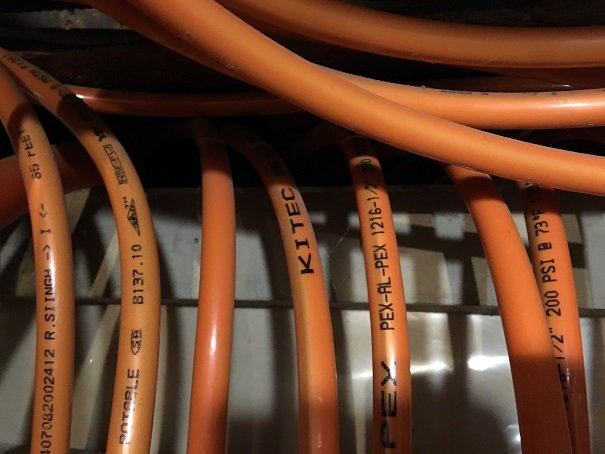
Exposed orange Kitec plumbing pipes in a residential ceiling, a known material defect that sellers must disclose on a Nova Scotia Property Disclosure Statement.
Frequently Asked Questions
1. Does a Property Disclosure Statement replace a home inspection in Nova Scotia?
No. A Property Disclosure Statement only reflects the seller's personal knowledge and memory of the home. It is not a warranty. Buyers in Halifax should always include a professional home inspection condition in their Agreement of Purchase and Sale to uncover issues the seller may not know exist.
2. Can a buyer request a PDS if the seller did not include one with the listing?
Yes. If a seller has not uploaded a PDS to the MLS listing, a buyer can ask for one prior to submitting an offer or include the receipt and satisfactory review of a completed PDS as a formal condition inside their offer.
3. What happens if a Nova Scotia seller lies on a Property Disclosure Statement?
If a seller intentionally conceals a known material latent defect or makes false statements on Form 211, the buyer can pursue legal remedies after closing. Depending on the severity of the misrepresentation, a court may award financial damages to cover repair costs or, in extreme cases, rescind the sale.
4. Do condo sellers in Halifax need to fill out a Property Disclosure Statement?
Yes, condo sellers in HRM typically complete Form 211 to disclose the interior condition of their individual unit, such as appliance ages, past plumbing leaks, or renovations. Buyers will also review the Condominium Corporation's Estoppel Certificate and financial documents to assess the health of the overall building.
Buying or Selling in Halifax? Let's Review the Details Together
Navigating property disclosures, inspection conditions, and Halifax municipal records takes local experience. Whether you are preparing to list your home and want to ensure your paperwork protects you, or you are reviewing a disclosure form on a property you love, reach out today for a straightforward consultation on your next move in HRM.
