
If you have tried buying or selling a home in Halifax anywhere between 2021 and today, you know how rapidly the market changed. Rapid price growth, low inventory, and intense buyer competition left many local residents feeling priced out of the Halifax Regional Municipality (HRM).
In response to national housing affordability pressures, the Canadian federal government introduced a high-profile legislative fix on January 1, 2023: A blanket ban on foreign residential real estate buyers. The policy was marketed as a direct way to stop offshore capital from driving up Canadian home values.
However, despite the implementation of the Prohibition on the Purchase of Residential Property by Non-Canadians Act, Canadian home prices surged, and Halifax housing costs continued to rise. With the current expiration date set for January 1, 2027, Ottawa is now actively evaluating a major shift toward replacement frameworks.
Here is a comprehensive breakdown of whether Canada's foreign buyer ban will actually end, how federal policy is changing, and what it all means specifically for the Halifax real estate market.
The Expiry Timeline: What Happens on January 1, 2027?
The federal prohibition officially took effect at the beginning of 2023 and was later extended through to December 31, 2026. Under current federal legislation, if Parliament takes no further legislative action, the ban automatically expires at midnight on January 1, 2027.
Will the Federal Government Extend the Blanket Ban Again?
Current policy signals indicate that Ottawa is shifting away from a permanent or blanket prohibition on foreign residential purchases. Federal housing officials have turned their attention toward alternative international frameworks, most notably Australia’s housing model.
What Is the Australian Housing Model?
Under Australia’s foreign investment guidelines for residential property:
Existing Resale Homes: Foreign non-residents are strictly prohibited from purchasing established single-family homes and existing residential units.
New Construction & Multi-Unit Builds: Foreign capital is permitted and encouraged to invest in brand-new housing developments, vacant land development, and high-density construction.
The goal of this transition is simple: prevent offshore buyers from competing directly with local families for existing housing stock, while leveraging foreign investment capital to build brand-new inventory.
Did the Foreign Buyer Ban Actually Lower Home Prices in Halifax?
To understand the future impact on Halifax, it is essential to review the actual data behind non-resident home ownership in Nova Scotia.
Prior to the ban taking effect, data from Statistics Canada and provincial real estate boards revealed that non-resident buyers accounted for approximately 1.1% of residential property transactions in major Canadian provinces. In Nova Scotia, foreign buyers represented an even smaller fraction of total residential purchases within core urban zones.
What Actually Drove Halifax Housing Prices?
Halifax’s real estate market dynamics over recent years were primarily shaped by local and domestic economic fundamentals:
Interprovincial Migration: A sustained influx of buyers moving to Nova Scotia from higher-priced markets like Ontario and British Columbia.
Rapid Population Growth: Historical population milestones within Halifax and across the province.
Severe Supply Shortages: Elevated material costs, skilled labor shortages, and slow housing start completions relative to population demand.
Additionally, the federal foreign buyer ban included broad exemptions for permanent residents, international students meeting specific criteria, and temporary work permit holders. Crucially, properties outside major Census Metropolitan Areas (CMAs)—such as rural or coastal regions across Nova Scotia—were excluded from the federal restrictions altogether.
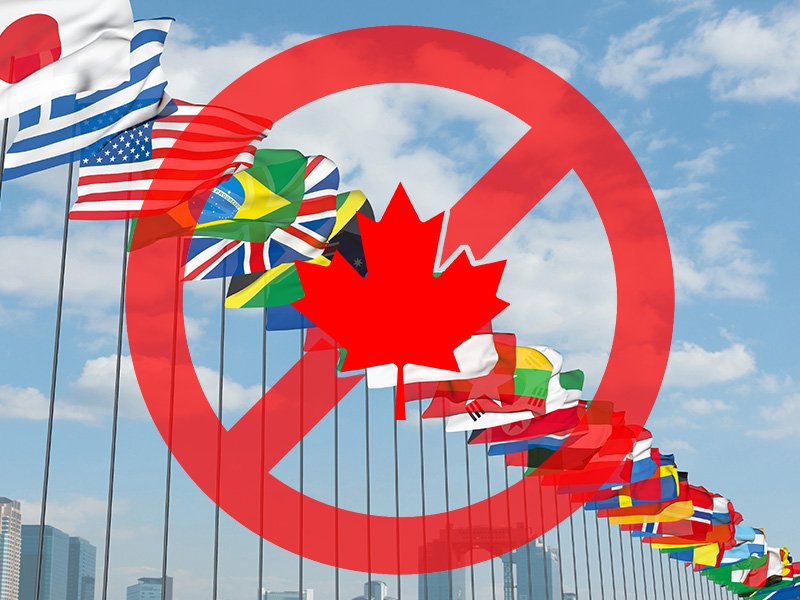
A visual representation of Canada's prohibition on non-resident real estate purchases featuring international flags under a red ban symbol. This graphic illustrates federal restrictions on foreign property buyers in the Canadian housing market.
The Nova Scotia Reality: The 10% Non-Resident Tax Shield
Even if the federal government lets the blanket ban expire on January 1, 2027, the Nova Scotia market will not be left unprotected. Non-resident buyers face significant provincial regulations that remain completely independent of Ottawa's policy.
Nova Scotia’s 10% Non-Resident Deed Transfer Tax
Nova Scotia imposes a provincial 10% Non-Resident Deed Transfer Tax on residential properties purchased by individuals who do not intend to make Nova Scotia their primary residence.
Financial Example: On a median-priced Halifax home valued at $600,000, an out-of-province or overseas buyer must pay an additional $60,000 upfront in provincial taxes—before local municipal deed transfer taxes, legal fees, or land registration costs are applied.
Combined with Halifax's strict short-term rental regulations, these measures significantly limit speculative offshore purchasing across the local market.
What This Policy Shift Means for Halifax Buyers and Sellers
For Halifax Buyers
If you are waiting for the foreign buyer ban or its expiration to crash local real estate prices, market data suggests that is unlikely. Housing affordability in HRM remains primarily bound to mortgage interest rates, local inventory levels, and housing construction volume. If Canada adopts an Australia-style framework, Halifax could potentially benefit from increased multi-unit housing starts funded by external development capital.
For Halifax Sellers
Sellers should avoid overpricing properties under the assumption that a surge of non-resident buyers will enter the local market post-2027. Demand in Halifax continues to be anchored by local working families, healthcare professionals, military personnel, and interprovincial movers.
Frequently Asked Questions (FAQ)
1. When does Canada’s Foreign Buyer Ban officially expire?
The federal Prohibition on the Purchase of Residential Property by Non-Canadians Act is scheduled to lapse on January 1, 2027, unless Parliament passes new legislation or extends the current Act.
2. Is Nova Scotia affected by the federal foreign buyer policy?
Yes. The federal ban applies to all Census Metropolitan Areas in Canada, including the Halifax Regional Municipality (HRM). However, rural Nova Scotia properties outside CMAs were largely exempt from the initial ban.
3. What is Nova Scotia's Non-Resident Deed Transfer Tax?
Nova Scotia levies a 10% Deed Transfer Tax on the purchase price of residential properties bought by non-residents who do not move to the province within the required timeframe. This provincial tax operates independently of federal rules.
4. Will lifting the foreign buyer ban increase home prices in Halifax?
Historical data shows foreign buyers represented less than 2% of transaction volume in Nova Scotia prior to the ban. Because local supply shortages, migration trends, and interest rates drive the market, lifting or altering the ban is unlikely to cause a sudden price spike in Halifax.
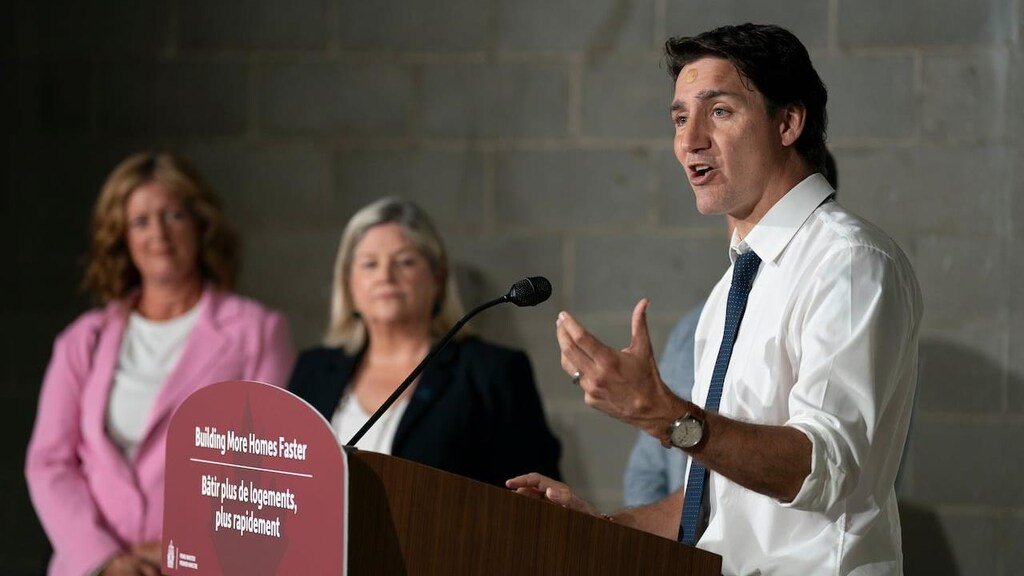
Former Prime Minister Justin Trudeau details key Canadian housing policy measures, including the federal prohibition on foreign home buyers, during a press conference. The announcement highlighted unsuccessful federal efforts to restrict non-resident real estate purchases to cool the market.
Thinking About Buying or Selling in Halifax?
Navigating changing housing policies, provincial tax rules, and local market shifts requires hyper-local expertise. Whether you are looking to purchase your first home, invest in multi-unit property, or position your listing for maximum value in HRM, having the right strategy matters.
Contact Me Today for a personalized market assessment, property valuation, or buyer consultation.
