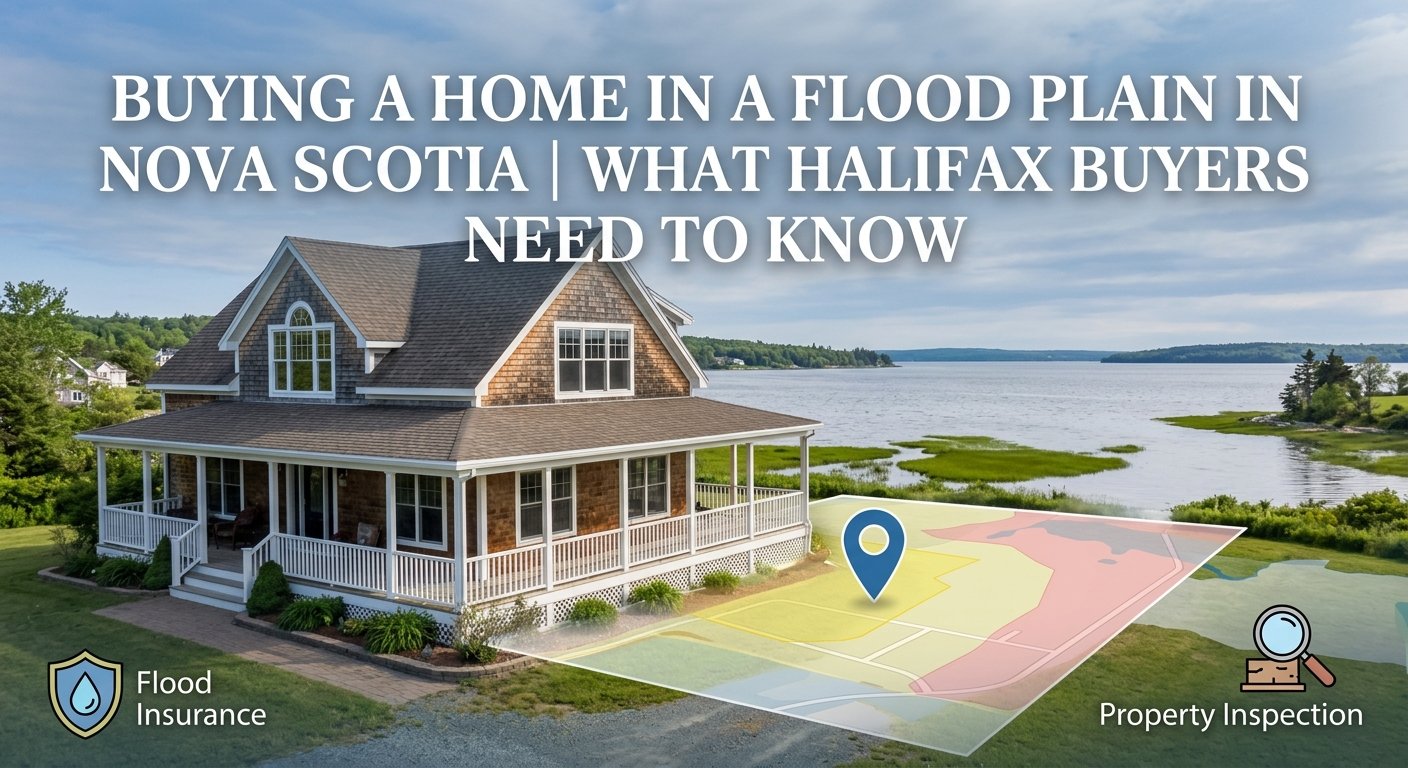
An illustrated guide showing how to evaluate flood risks and zoning maps when buying residential property in Nova Scotia. Perfect for Halifax home buyers navigating coastal water levels, insurance requirements, and property inspections.
Nova Scotia’s coastal beauty, rich river systems, and oceanfront views make local real estate highly desirable. However, increased storm activity, sea-level rise, and localized extreme rainfall mean that understanding flood risks is a vital step in buying a home in Halifax and across the province.
If you are eyeing a property near the Sackville River, Bedford Basin, Cow Bay, or low-lying areas in Dartmouth, buying in a designated flood plain comes with specific financial, legal, and structural considerations.
1. How Flood Zones Work in the Halifax Regional Municipality (HRM)
In Nova Scotia, flood risk falls broadly into three categories:
Coastal Flooding: Caused by storm surges and high tides along harbor coastal boundaries.
Fluvial (Riverine) Flooding: Overbank flooding along inland waterways, such as the Sackville River system.
Pluvial (Overland/Surface) Flooding: Runoff caused by severe downpours overwhelming local storm drainage systems.
The Halifax Regional Municipality (HRM) regulates development near waterways through regional planning Land Use By-laws. Areas subject to flooding often carry overlay zoning, such as the Floodplain (FP) designation or specific setback requirements.
How to Check Flood Risk Before Making an Offer
GeoNOVA & Coastal Hazard Maps: Consult Nova Scotia's Coastal Hazard Map and the Maritime Coastal Flood Risk Map produced by the Applied Geomatics Research Group (AGRG) at NSCC.
HRM Interactive Flood Maps: Review HRM’s localized watershed mapping, including the Sackville Rivers Floodplain Study.
Property Condition Disclosure Statement (PDS): Check the seller’s PDS for any documented past flooding, water infiltration, or previous insurance claims.
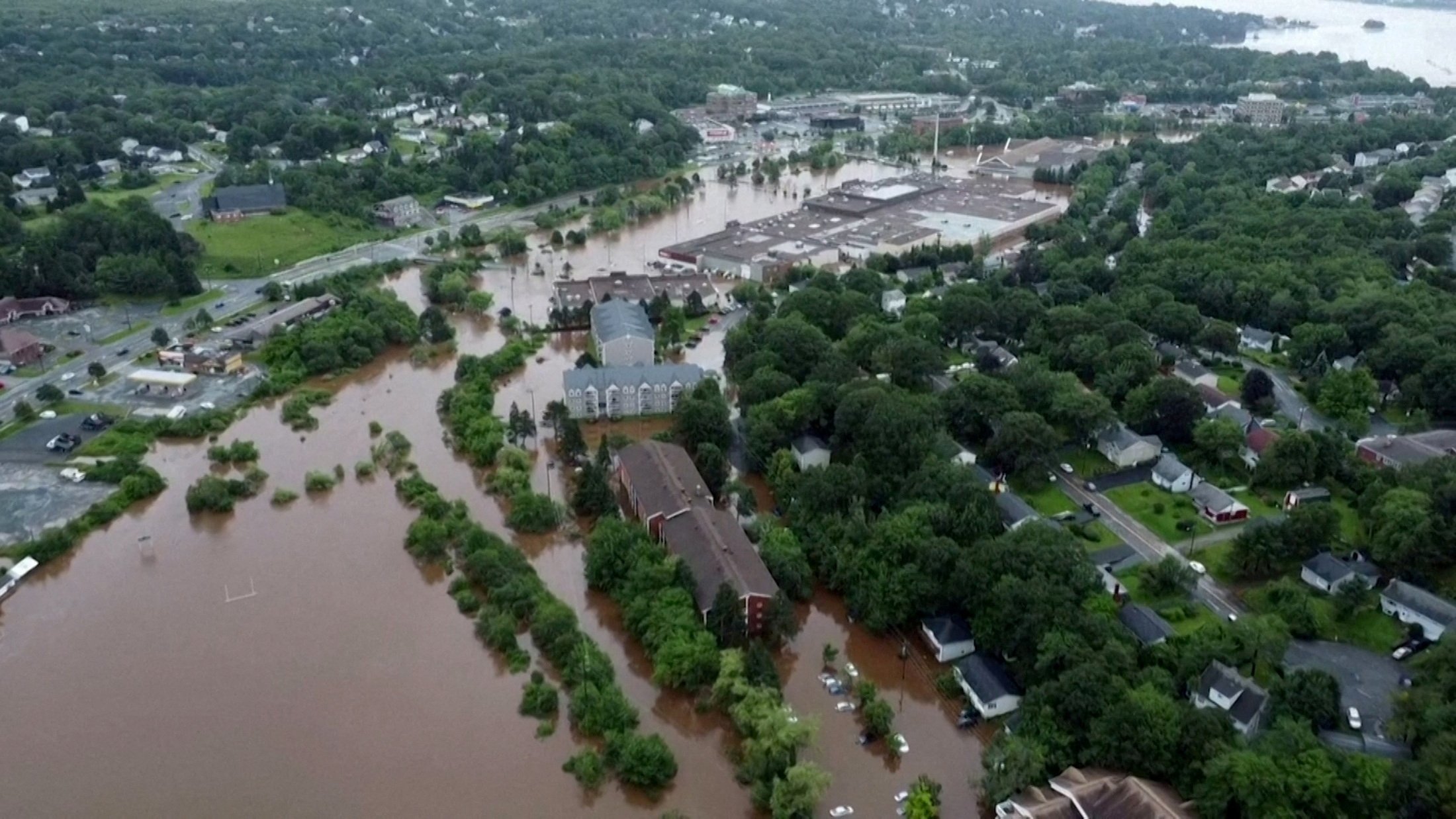
An aerial shot showcasing extreme overland riverine flooding across low-lying Halifax and Bedford neighborhoods. A stark visual reminder for Nova Scotia home buyers on why understanding local flood plain zones and insurance coverage is essential.
2. Navigating Home Insurance & Mortgages for Flood Zone Properties
Standard home insurance policies in Canada do not automatically cover overland flooding.
The Insurance Endorsement
To protect a home on a flood plain, you must purchase a specific endorsement: Overland Water Protection.
In lower-risk designated areas, this endorsement can cost a few hundred dollars annually.
In high-risk mapped flood zones, premiums can be higher, or coverage may carry elevated deductibles and strict policy caps.
In extreme cases, some traditional insurers may decline overland water coverage entirely for properties inside a 1-in-20-year flood zone.
Lender Requirements
Canadian mortgage lenders require active home insurance to release funds. If an insurer refuses overland water coverage on a high-risk property, it can impact mortgage approval. Always make your purchase offer conditional on securing satisfactory home insurance.
3. Structural & Property Checklist for Buyers
If you decide to move forward with purchasing a property in or near a flood plain in the Halifax region, perform thorough due diligence during your inspection period:
Inspect Foundation & Drainage: Ensure the lot grades away from the home foundation. Look for cracks, efflorescence (white powdery residue), or previous water lines in unfinished basements.
Sump Pump Systems: Check if the property has a dual sump pump system equipped with a battery backup in case of power loss during coastal storms.
Backwater Valves: Confirm whether a mainline sewer backwater valve is installed to stop Municipal sewer backup during high rainfall events.
Heating & Utilities: Determine if furnace units, hot water tanks, or electrical panels are positioned above potential flood lines on the main level rather than resting directly on the basement floor.
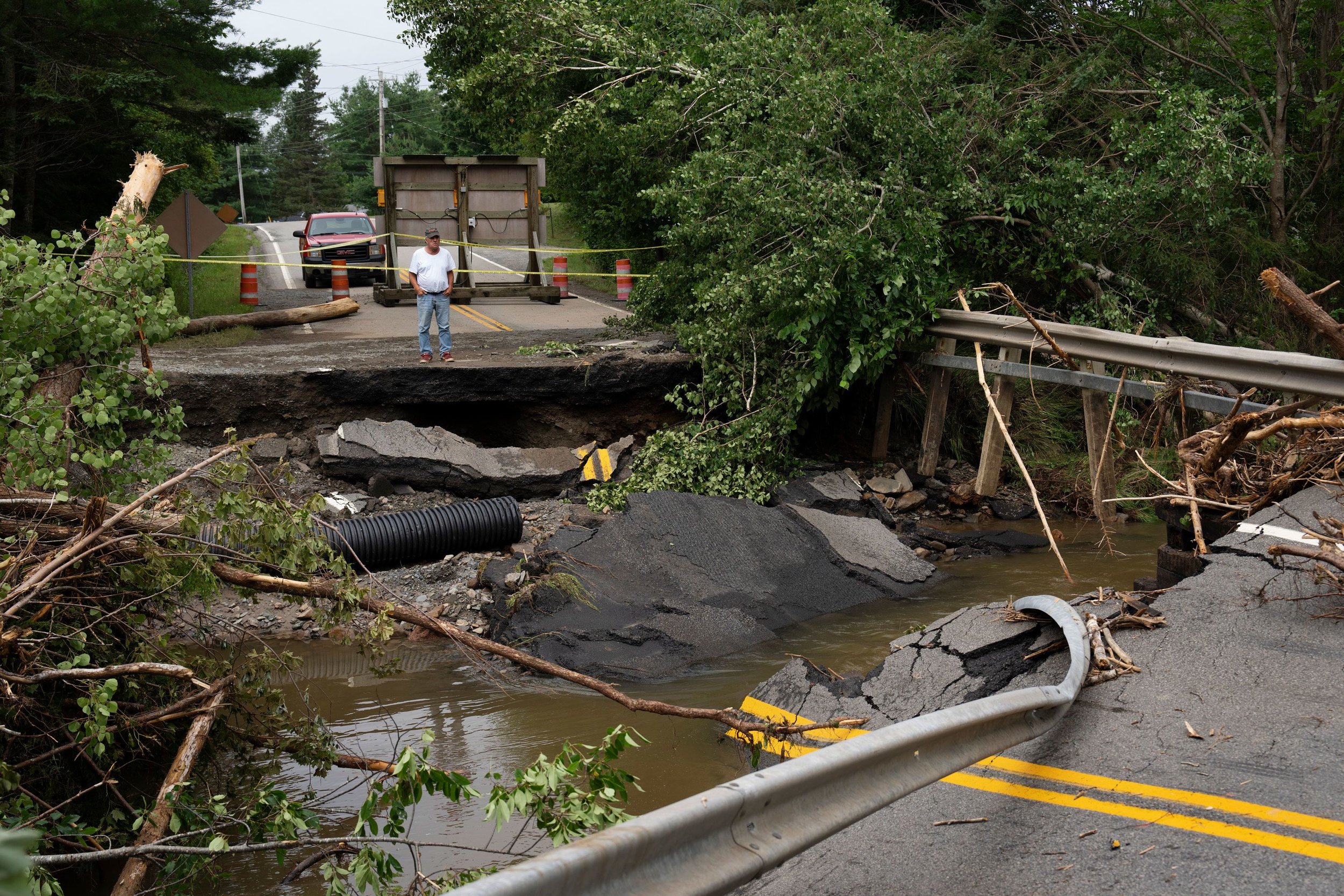
A dramatic look at severe road infrastructure damage and culvert collapse caused by heavy storm flooding in Nova Scotia. It highlights the importance of evaluating regional access roads and stormwater infrastructure when buying rural or coastal property.
Frequently Asked Questions (Q&A)
Can you buy a home in a flood zone in Nova Scotia?
Yes, you can buy a home located in a designated flood zone in Nova Scotia. However, you must account for municipal zoning restrictions, potential limits on building modifications, higher home insurance premiums, and specific mortgage lender requirements regarding flood risk coverage.
How do I find out if a home in Halifax is in a flood plain?
You can search a property’s flood risk using the Halifax Regional Municipality (HRM) flood zone tools, the Nova Scotia Coastal Hazard Map, and the AGRG Maritime Coastal Flood Risk Map. A licensed real estate agent can also pull property zoning overlay records and historic flood plain disclosures.
Does standard Canadian home insurance cover flood damage in Nova Scotia?
No, standard home insurance policies in Nova Scotia exclude overland flooding caused by rivers overflowing, surface run-off, or storm surges. You must purchase optional endorsements for Overland Water and Sewer Backup to be covered.
Can I renovate or rebuild a home located on a flood plain in HRM?
Renovating or rebuilding a property on a flood plain in the Halifax Regional Municipality is governed by local Land Use By-laws. Structural expansions, foundation work, or complete rebuilds often require strict flood-proofing measures, elevated floor heights, or approval through specific development permits depending on the land-use zone.
Ready to Find Your Dream Home in Greater Halifax?
Navigating property zoning, environmental hazards, and insurance requirements requires local expertise. Whether you are seeking a waterfront coastal retreat or a family home near Halifax's river systems, working with a knowledgeable local agent protects your investment every step of the way.
Thinking of buying or selling in Halifax, Bedford, or Dartmouth?
Contact Me Today to review local property listings, analyze flood plain maps, and ensure your home purchase is protected for years to come.
